

Assembly Bill 2227 would revise bonding requirements for farm labor contractors, basing bond amounts on gross receipts and imposing higher thresholds for those not registered as foreign labor contractors, potentially increasing costs for many farm labor contractors.
Following a month of uncertainty, California Farm Bureau received news this week that the silage delay scenario has been restored to the Tricolored Blackbird Regional Conservation Partnership Program and Environmental Quality Incentives Program lists for this year's upcoming season.
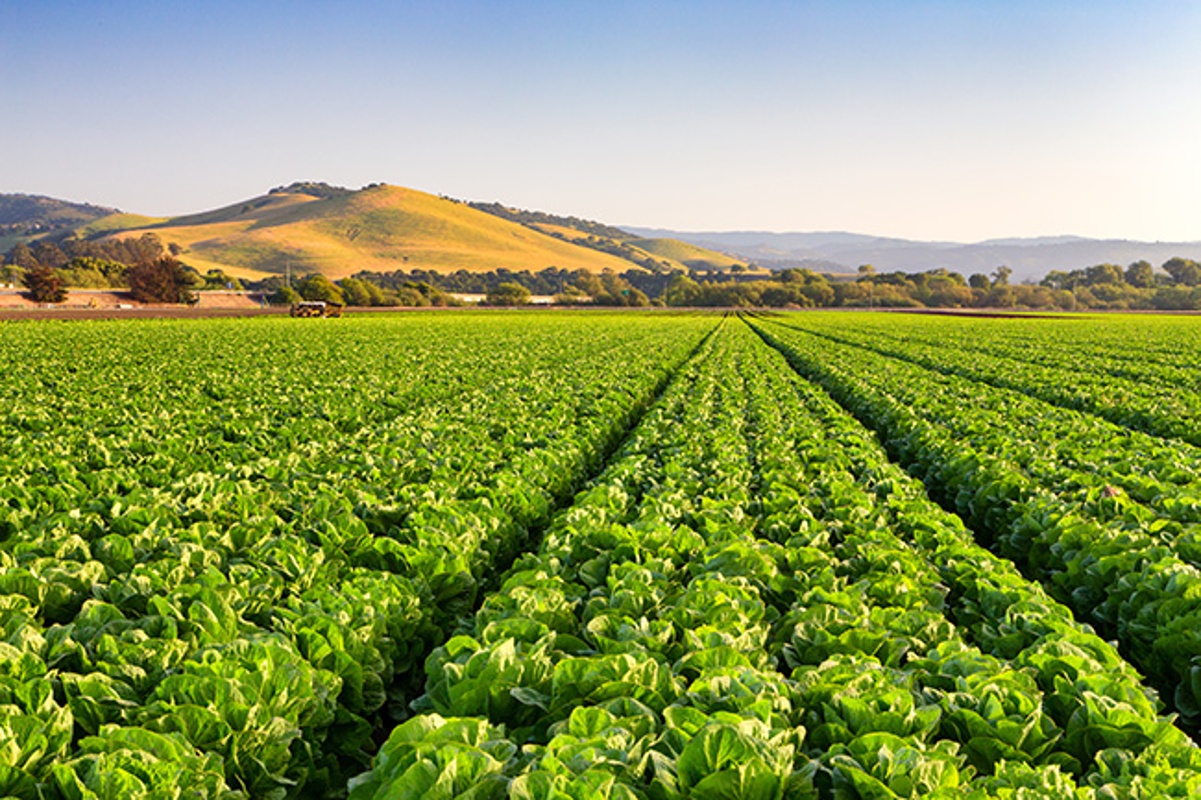
On March 17, California Senate committees will hold a hearing on the state's Cap-and-Invest Program and agriculture. California Farm Bureau is urging funding for key Greenhouse Gas Reduction Fund agricultural programs in the 2026-27 budget and encouraging members to attend and provide public comment.
The U.S. Department of Agriculture California Farm Service Agency is hosting a webinar on the Supplemental Disaster Relief Program Stage 2 on March 10 at 10 a.m. PST.
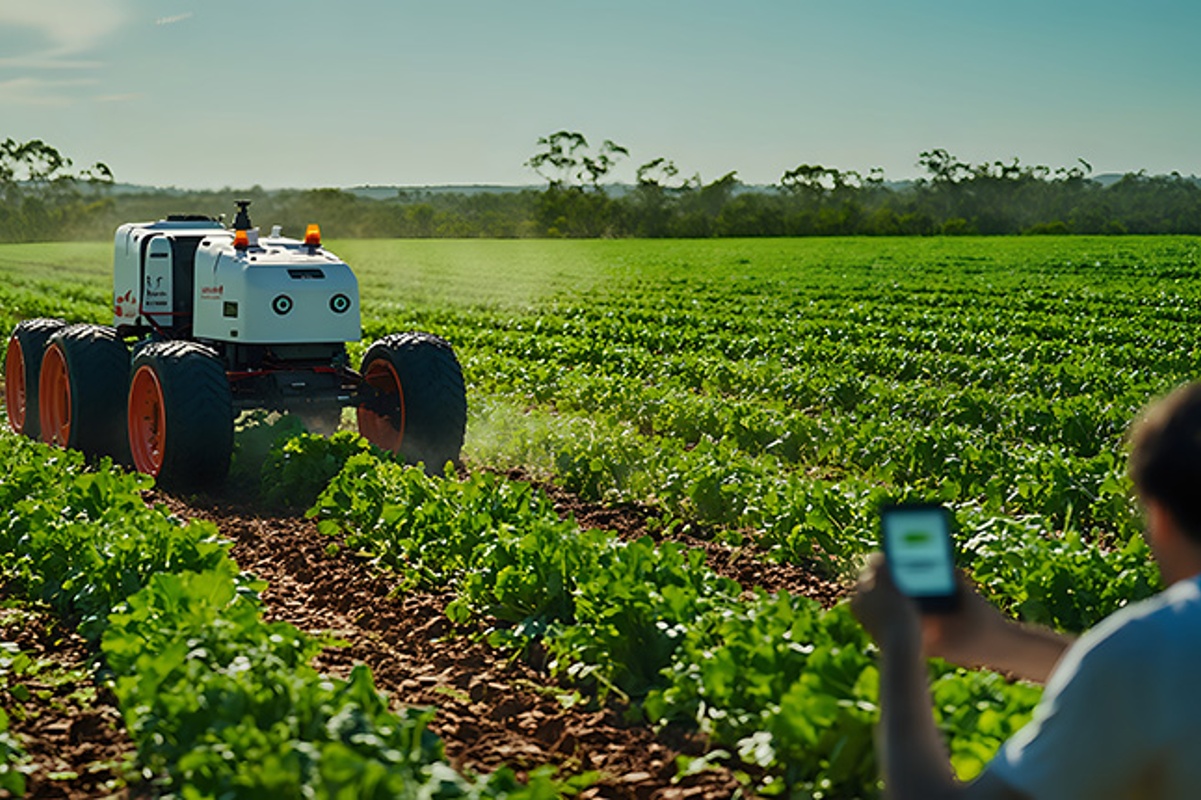
California Farm Bureau advanced efforts to modernize outdated safety rules impacting autonomous tractors and pushed the California Department of Pesticide Regulation to accelerate regulations for unmanned aerial vehicles under Assembly Bill 1016. Updated pathways for commercial applicators will help scale agricultural technology and support workforce development.
Assembly Bill 2447 would require the California State Water Resources Control Board to set enforceable statewide nitrogen discharge limits for irrigated agriculture by July 1, 2027. The bill establishes new reporting and nitrogen balance rules and would significantly change current regulatory frameworks.
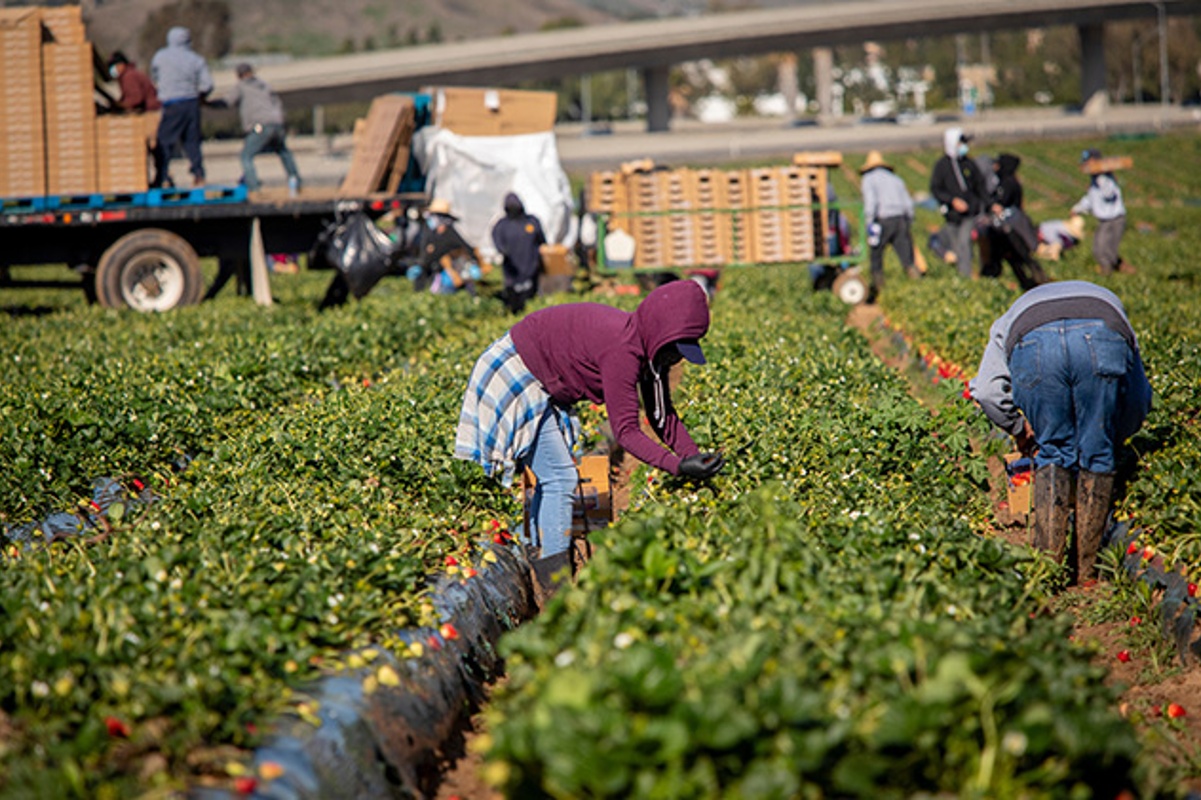
Assembly Bill 2646 would establish a $19.75 statewide agricultural minimum wage starting Jan. 1, 2027, with annual consumer price index increases. The bill applies to H-2A workers and resident "corresponding employees," significantly increasing labor costs for California agricultural employers.
Contact
- Phone: (916) 561-5500
- Email: cfbf@cfbf.com
- 2600 River Plaza Dr.
- Sacramento, CA 95833




.svg.png?cacheid=0.9616018850896426)
