

California regulators continue to expand their focus on air emissions, signaling increased attention on off-road agricultural equipment.
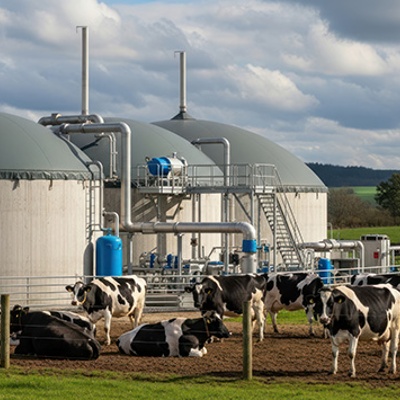
California's carbon market, also known as the Cap-and-Invest Program, is the largest carbon market in North America. Agricultural operations that implement qualifying practices to reduce or capture greenhouse gas emissions may be able to generate and sell carbon credits, creating an additional source of revenue alongside traditional farming operations.
The California Wildfire and Forest Resilience Task Force released a draft action plan outlining the state's wildfire resilience strategy through 2031. Farm Bureau submitted comments supporting several priorities while recommending improvements to better serve private landowners.
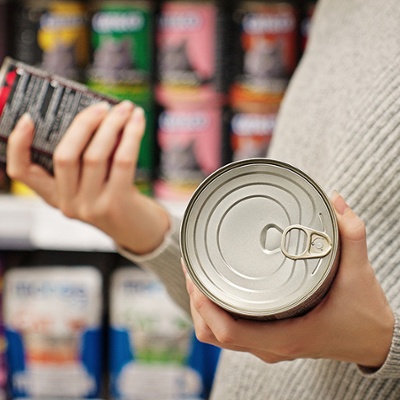
California Farm Bureau joined more than 250 organizations urging Congress to establish a uniform federal standard for food ingredient labeling, reaffirm the U.S. Food and Drug Administration's authority over food safety and ingredient regulation, and modernize the framework for the "generally recognized as safe," or GRAS, designation.
The U.S. Department of Agriculture will begin a phased reopening of southern ports for livestock imports on Aug. 24, starting in Douglas, Arizona. Enhanced inspections, treatments and New World screwworm safeguards will accompany the reopening.
Several important U.S. Department of Agriculture Farm Service Agency deadlines are approaching in August, including applications for specialty crop assistance, disaster relief, FSA county committee nominations, and Agriculture Risk Coverage and Price Loss Coverage base allocation reviews.
Contact
- Phone: (916) 561-5500
- Email: cfbf@cfbf.com
- 2600 River Plaza Dr.
- Sacramento, CA 95833




.svg.png?cacheid=0.9616018850896426)
